Home About Us Contact Us Get Involved
Project · Public Service Delivery

Climate Action & Resilience

Heat and water are already changing how Nigerians farm, work and live. The CAR Project records what is happening, in which communities, and puts that evidence where it can change a decision.

The Project

Our CAR Project strengthens community resilience in Nigeria through targeted civic education and community climate action. We track flooding incidents to provide actionable data for stakeholders, support the implementation of resilience-building measures in vulnerable communities, and engage relevant stakeholders on the growing impacts of heatwaves.

Heat

The heat behind the eggs

In March 2026 the Nigerian Meteorological Agency issued a heat advisory. We went to the poultry farms of the Federal Capital Territory to find out what happened next — and found that more than half the farmers had never heard the warning at all.

The film: what a heatwave does to a poultry farm, and to the price of an egg.

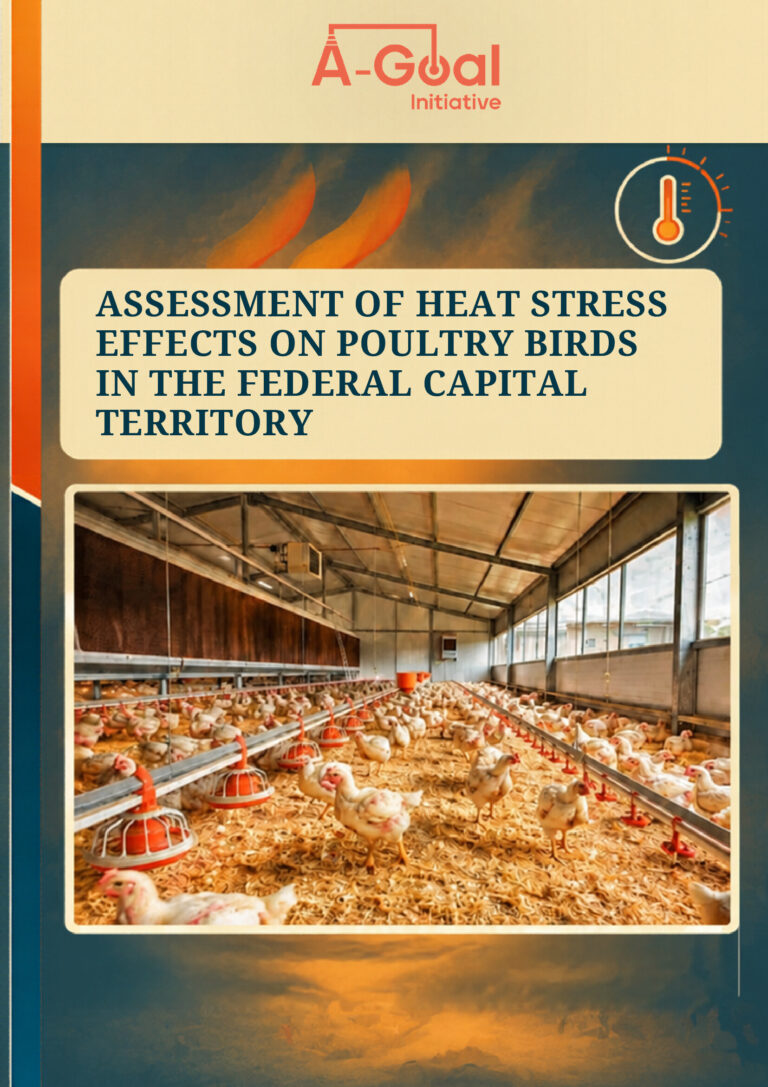
Front cover of the A-Goal report on heat stress effects on poultry birds in the FCT.
Report · November 2026

Assessment of Heat Stress Effects on Poultry Birds in the FCT

A rapid-response survey of 233 poultry farms across the FCT was carried out in the weeks following NiMet’s heatwave alert in March 2026. It focused on whether farmers received the alert, how their birds were affected by the extreme heat, what mitigation mechanisms they used, and what support reached them.

What farmers are asking for

  • Climate adaptation policy, afforestation, and an end to needless tree felling in the FCT
  • Increased and better extension support services
  • Duty waivers on solar fans and cooling pads for smallholders
Read the full reportPDF · 32pp (opens in a new tab)
91.85%of farms lost birds during the heatwave
11,775birds reported dead in the first two weeks
54.08%never received or heard the NiMet alert
5.15%had any government support in the past year
Flooding

Every incident we have recorded

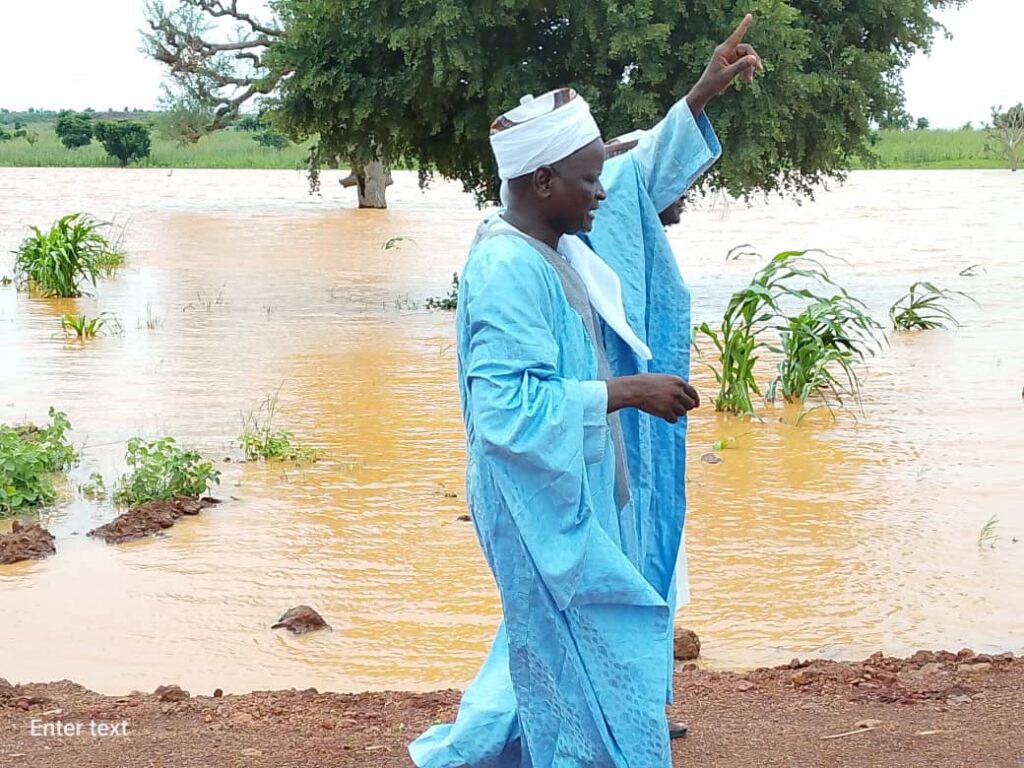
Thirty flood, storm and erosion events between February and September 2026, each logged where it happened, when, and what it cost. Open a marker to read the record.

Hazard type Flood 26 Windstorm 7 Erosion & landslide 2 Some events carried more than one hazard, so the keys total more than the thirty incidents.

Ready to Act Now?

Sign up for our newsletter to receive updates on our work and how you can get involved.

A-Goal Newsletter Signup